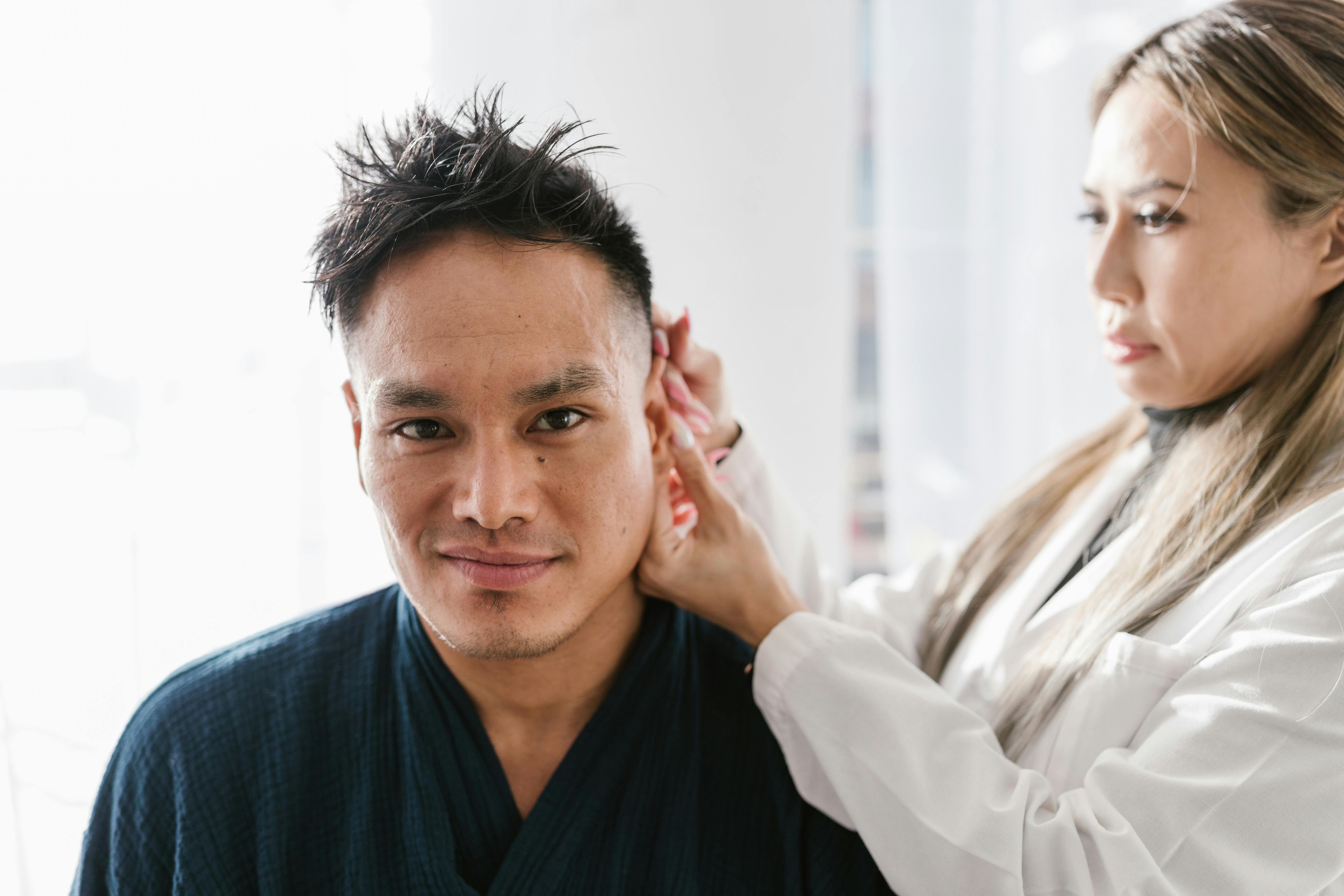
Hearing is an essential sense that plays a critical role in communication, safety, and overall well-being. As such, comprehensive hearing care services are vital to maintaining and improving auditory health. Whether it’s through routine check-ups, advanced diagnostics, or rehabilitative services, a holistic approach to hearing care can make a significant difference in one’s quality of life. This article explores the various aspects of hearing care services and why they are indispensable.
Understanding Hearing Loss
Hearing loss can be a gradual process, often going unnoticed until it significantly affects communication and daily activities. Understanding the types of hearing loss is crucial for seeking appropriate care:
- Conductive Hearing Loss: Occurs when sound waves are not efficiently conducted through the outer ear canal to the eardrum and the tiny bones of the middle ear.
- Sensorineural Hearing Loss: Results from damage to the inner ear or the nerve pathways from the inner ear to the brain.
- Mixed Hearing Loss: A combination of conductive and sensorineural hearing loss.
Read more about this topic by visiting this detailed guide on understanding hearing loss.
Key Components of Comprehensive Hearing Care
Hearing Assessments and Diagnostics
Regular hearing assessments are fundamental to early detection and management of hearing loss. Comprehensive diagnostic services include:
- Pure-tone Audiometry: Measures the softest sounds a person can hear at various frequencies.
- Speech Audiometry: Assesses the ability to hear and understand speech.
- Tympanometry: Evaluates the functioning of the middle ear.
Explore further insights on diagnostic services here.
Hearing Rehabilitation
Rehabilitation services are designed to help individuals cope with hearing loss and improve their communication abilities. Key components include:
- Hearing Aids: Devices that amplify sound to aid individuals with hearing loss.
- Cochlear Implants: Surgical implants that can provide a sense of sound to those with profound hearing loss.
- Assistive Listening Devices: Tools like amplified telephones and alerting devices to assist in daily communication.
Find additional information on rehabilitation options here.
Preventive and Educational Services
Prevention and education are key to maintaining hearing health. Services often include:
- Hearing Protection: Custom earplugs and earmuffs to protect against noise-induced hearing loss.
- Educational Workshops: Programs aimed at raising awareness about hearing health.
- Tinnitus Management: Strategies to manage ringing in the ears, a common condition associated with hearing loss.
Learn more about preventive measures and educational resources by clicking here.
The Importance of Professional Care
Professional hearing care services are crucial for accurate diagnosis and effective treatment of hearing disorders. A multidisciplinary approach involving audiologists, ENT specialists, and hearing aid professionals ensures comprehensive care tailored to individual needs. Regular check-ups and timely interventions can prevent further deterioration and enhance the quality of life for individuals experiencing hearing loss.
For those seeking comprehensive hearing care services, finding a reliable provider is essential. Ensure that the provider offers a full range of diagnostic, rehabilitative, and preventive services to address all aspects of auditory health.
About the Author