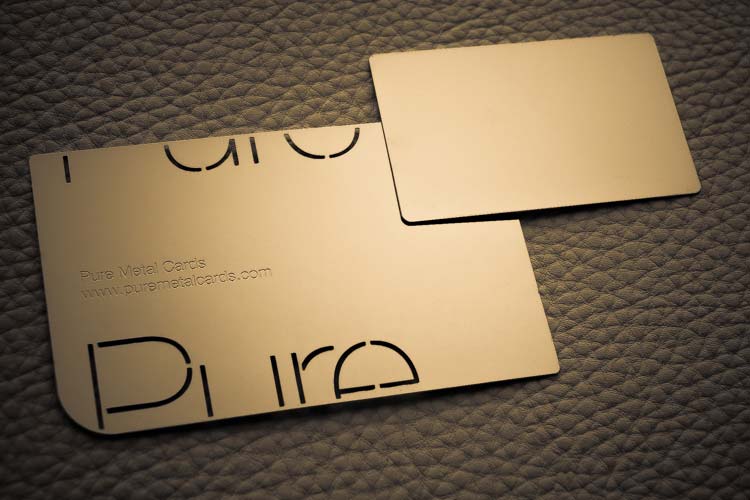
In today’s dynamic business environment, first impressions can set the tone for future interactions. One of the most powerful tools to create a lasting impression is a business card. But not just any card”?a custom business card that reflects the unique identity and values of a business. With the right design and quality, a business card can be more than just a piece of paper; it becomes a conversation starter, a brand ambassador, and sometimes, a work of art. Here’s a comprehensive guide to understanding and leveraging custom business cards to stand out in a crowd.
Why Custom Business Cards Matter
Custom business cards are not just about displaying contact information; they are an extension of a brand’s identity. Here are a few reasons why investing in custom business cards is a wise choice:
- First Impressions: A unique design can capture attention and make a memorable first impression.
- Brand Identity: Customization allows the card to reflect the brand”?s ethos and aesthetic.
- Networking Opportunities: A striking card can act as a conversation starter, leading to more meaningful networking connections.
Design Elements to Consider
When designing a custom business card, several elements should be considered to ensure it stands out while conveying the necessary information professionally:
Material and Texture
Choosing the right material and texture can significantly impact the perception of the card. Options include:
- Paper: The classic choice available in various finishes like matte, glossy, or textured.
- Metal: Provides a premium feel and durability, ideal for making a bold statement.
- Plastic: Offers flexibility and creativity in terms of transparency and color.
Color and Typography
The choice of colors and fonts should align with the brand’s color scheme and personality. Consider:
- Contrast: Ensure the text is readable against the background color.
- Font Style: Choose a font that reflects the brand”?s character”?modern, classic, playful, etc.
Advanced Customization Techniques
To truly stand out, consider advanced customization techniques such as:
- Embossing/Debossing: Adds a tactile dimension to the card, making it more engaging.
- Foil Stamping: Adds a metallic finish that catches the eye and conveys luxury.
- Die-Cutting: Creates unique shapes that break the standard rectangular mold.
Practical Tips for Effective Business Cards
An effective business card is not only well-designed but also functional. Here are some practical tips:
- Keep It Simple: Avoid clutter by focusing on essential information, such as name, title, and contact details.
- Consider Dual-Sided Designs: Utilize both sides for additional information or a bold graphic.
- Include a Call to Action: Encourage the recipient to follow up, whether it’s visiting a website or scheduling a meeting.
Conclusion: Making the Right Choice
Incorporating custom business cards into a marketing strategy can significantly elevate a brand’s presence. By carefully selecting design elements and utilizing advanced techniques, businesses can create cards that not only convey essential information but also reflect the brand’s identity and values. For companies looking to differentiate themselves, investing in custom business cards is a strategic move that can yield impressive results.
For those interested in exploring unique card designs, a wide selection of custom business cards can provide inspiration and ideas.
About the Author