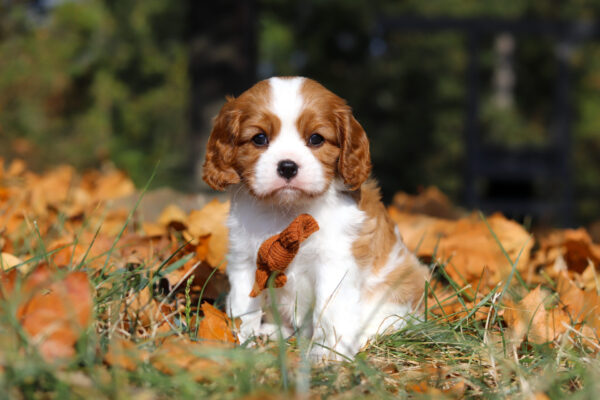
Crate training is a crucial aspect of raising a well-behaved and contented puppy. It provides a safe haven for your furry friend, offering them comfort and security when you are unable to supervise them directly. Additionally, crate training simplifies housebreaking by leveraging a dog”?s natural instinct to avoid soiling their sleeping area. This guide will delve into the essentials of puppy crate training and provide practical tips to ensure a smooth transition for you and your pet.
Understanding the Benefits of Crate Training
Crate training is not just about convenience; it offers numerous benefits that contribute to a puppy’s overall development and well-being. Here are some key advantages:
- Safety and Security: A crate acts as a den for dogs, offering a secure environment where they can retreat when feeling overwhelmed.
- Housebreaking Aid: Using the crate effectively helps accelerate the housebreaking process by teaching your puppy to control their bladder and bowel movements.
- Preventing Destructive Behavior: A crate keeps your puppy away from potentially dangerous household items when unsupervised.
- Travel Ease: A crate-trained puppy is easier to travel with, as they are accustomed to being confined in a comfortable, familiar space.
Getting Started with Crate Training
Before beginning the crate training process, ensure you have the right type and size of crate for your puppy. The crate should be large enough for your puppy to stand, turn around, and lie down comfortably. Consider using a crate divider to adjust the size as your puppy grows.
Introducing Your Puppy to the Crate
Start by placing the crate in a common area of the house where the family spends a lot of time. Allow your puppy to explore the crate at their own pace without forcing them inside. Use treats and toys to encourage them to enter the crate willingly. Discover expert strategies here.
Establishing a Routine
Consistency is key in crate training. Develop a routine that incorporates regular crate time, ensuring your puppy associates the crate with positive experiences. Feed your puppy near the crate to create a pleasant connection and gradually increase the duration of crate sessions.
Effective Strategies for Crate Training
The process of crate training varies depending on the puppy”?s age and temperament. Here are some techniques that can be tailored to suit individual needs:
- Short Sessions: Keep initial crate sessions brief, gradually increasing the time as your puppy becomes more comfortable.
- Positive Reinforcement: Reward your puppy with treats and praise when they enter the crate willingly or remain calm inside.
- Scheduled Breaks: Puppies have small bladders; ensure regular breaks for potty time to prevent accidents.
- Gradual Departure: Begin by leaving the room for short periods, gradually extending the time to help your puppy adjust to being alone in the crate.
Find out more about this approach here and learn how to customize it for your puppy’s specific needs.
Troubleshooting Common Crate Training Problems
Crate training may sometimes present challenges. Here are common issues and their solutions:
- Crying or Whining: If your puppy cries in the crate, ensure they don”?t need a bathroom break. Otherwise, avoid giving attention until they are calm.
- Reluctance to Enter: Make the crate more inviting by adding a soft bed or blanket inside and using toys or treats to lure them in.
- Accidents in the Crate: Ensure the crate is not too large, as excess space may encourage them to use part of it as a bathroom.
Explore advanced guides and tips here to address and resolve any challenges effectively.
Conclusion
Crate training is an essential component of puppy training that fosters a sense of security, aids in housebreaking, and prevents destructive behavior. By following a structured and patient approach, puppies can learn to view their crate as a safe and comfortable space. For more detailed strategies and expert advice, learn about our tailored solutions to make crate training a positive experience for both you and your puppy.
About the Author