In the formative years of a child”?s life, preschool daycare plays a crucial role in shaping their cognitive, emotional, and social development. The environment in which a child spends these early years can significantly influence their future learning patterns and behaviors. This article delves into the various strategies and methodologies employed within preschool daycare settings to foster comprehensive growth and learning. By understanding these approaches, parents and educators can ensure that young children are provided with the optimal conditions for success.
Creating an Engaging Learning Environment
An engaging and stimulating learning environment is fundamental to promoting growth in preschool daycare. This involves the careful selection of educational materials and activities that are both age-appropriate and challenging.
- Interactive Materials: Incorporate toys and tools that promote hands-on learning. This includes puzzles, building blocks, and art supplies that encourage creativity and problem-solving.
- Flexible Learning Spaces: Design spaces that can be easily adapted for various activities, allowing for individual, small group, and whole class interactions. Learn about our tailored solutions here.
- Aesthetic Appeal: Use bright colors, natural lighting, and organized layouts to create a welcoming and stimulating environment.
Implementing a Holistic Curriculum
A well-rounded curriculum addresses multiple facets of a child’s development, including cognitive, physical, emotional, and social skills. A holistic approach ensures that children develop a balanced set of skills necessary for lifelong learning.
Cognitive Development
Cognitive skills are enhanced through activities that encourage critical thinking and problem-solving. Discover expert strategies here.
Physical Development
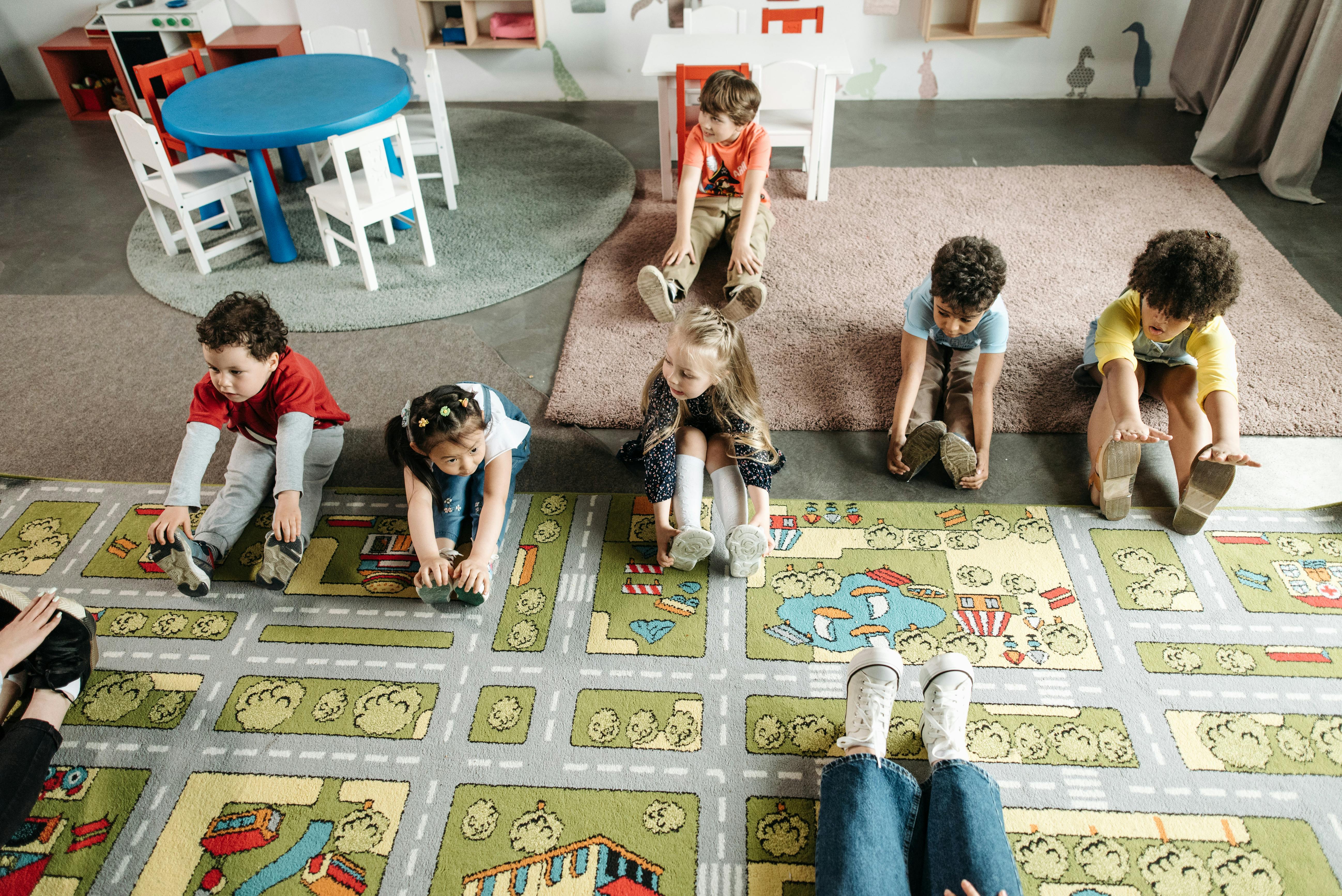
Physical activities, such as outdoor play and motor skill exercises, are integral to developing coordination and physical health.
Social and Emotional Development
Activities that promote teamwork and communication help children learn to interact positively with peers and adults. Find out more about this approach here.
Personalized Learning Approaches
Recognizing that each child is unique, personalized learning approaches are essential in preschool daycare settings. These approaches take into account individual learning styles, interests, and developmental needs.
- Individual Assessments: Regular assessments help in understanding each child’s strengths and areas that need improvement, allowing for customized learning plans.
- Adaptive Learning Techniques: Utilize technology and flexible teaching methods to cater to the diverse learning styles of children. Explore advanced guides and tips here.
Engagement with Families
Collaboration with families is a cornerstone of effective preschool daycare education. Engaging families in their child”?s learning journey creates a supportive and cohesive learning environment.
- Regular Communication: Maintain open lines of communication with families through meetings, newsletters, and digital platforms.
- Family Involvement: Encourage family participation in school activities and decision-making processes to enhance the educational experience.
Preschool daycare is more than just a childcare solution; it is a vital component of a child”?s educational journey. By creating engaging learning environments, implementing holistic curriculums, and embracing personalized learning approaches, educators can significantly contribute to a child’s growth and development. For those seeking to enrich their understanding of preschool education, additional resources and strategies can be explored at this dedicated site: Learn more about enhancing preschool education.
About the Author