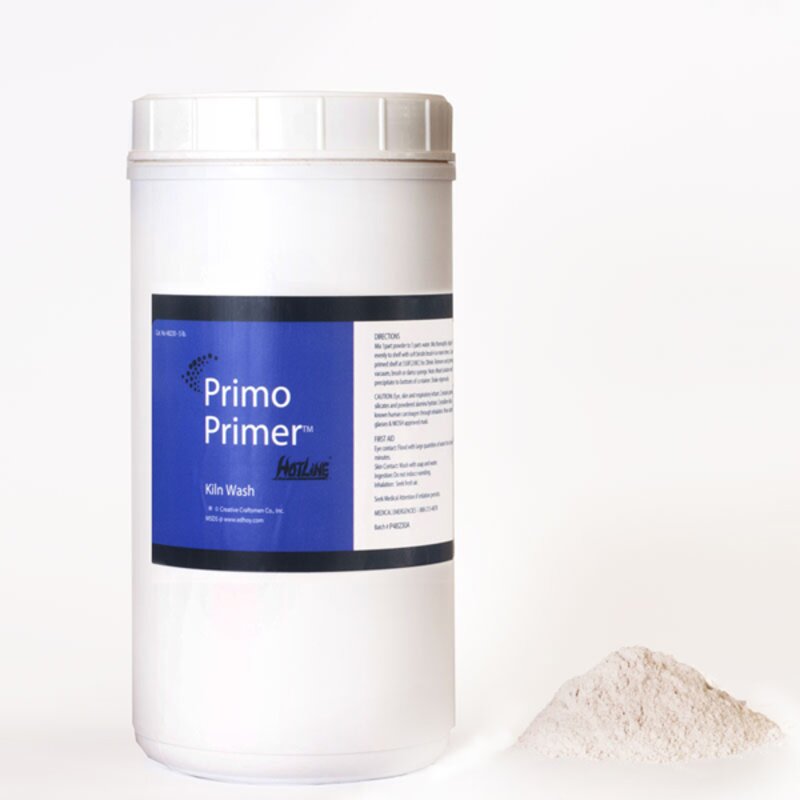
For any glass artist, the kiln is an essential tool that allows creativity to come to life. However, an often overlooked but crucial element in the process is the use of kiln wash. Kiln wash is a barrier applied to kiln shelves to prevent fusing glass projects from sticking during firing. This protective layer not only ensures the integrity of both the glass artwork and the kiln itself but also contributes to the overall safety and efficiency of the glass fusing process. Understanding the importance of kiln wash and how to apply it effectively can make a significant difference in the quality of the results achieved by glass artists.
What is Kiln Wash?
Kiln wash, sometimes known as shelf primer, is a refractory material applied to kiln shelves to create a barrier between the glass and the kiln surface. This barrier prevents the glass from sticking to the shelf during the firing process, which can save both the shelf and the artwork from damage.
Composition and Types
- Typically made from silica and alumina, kiln wash can withstand high temperatures.
- There are different formulations available, each catering to specific firing conditions and types of glass projects.
- Some kiln washes are designed for high-fire conditions, while others are more suited for low-fire applications.
- Water-based kiln washes are the most common, although some artists prefer powdered versions for custom mixing.
How to Apply Kiln Wash
Proper application of kiln wash is crucial for its effectiveness. The following steps outline how to apply kiln wash correctly:
- Ensure the kiln shelf is clean and free of any previous residue.
- Mix the kiln wash thoroughly to achieve a consistent texture.
- Apply a thin, even coat using a brush or sprayer, ensuring complete coverage.
- Allow the coat to dry completely before applying additional layers, if necessary.
- Once all layers are dry, inspect for any inconsistencies and remedy as needed.
Benefits of Using Kiln Wash
Utilizing kiln wash offers several advantages to glass artists:
- Prevents glass from adhering to the kiln shelf, preserving both the artwork and the shelf.
- Facilitates easier and safer removal of finished pieces from the kiln.
- Extends the lifespan of kiln shelves by preventing damage from melted glass.
- Enhances the overall quality of the glass projects by ensuring clean separation.
For more detailed information on application techniques and benefits, discover expert strategies here.
Common Mistakes to Avoid
Even seasoned artists can make mistakes when using kiln wash. Avoid the following common pitfalls:
- Applying too thick a layer, which can cause cracking and unevenness.
- Failing to allow sufficient drying time between coats.
- Neglecting to reapply kiln wash after several firings, reducing its effectiveness.
To ensure optimal results and avoid these mistakes, explore advanced guides and tips.
Conclusion
Incorporating kiln wash into the glass fusing process is not merely a precautionary step but a fundamental practice that enhances the quality and safety of glass art projects. By understanding its importance, choosing the right type, and applying it correctly, glass artists can safeguard their work and equipment, ensuring the longevity of their creative pursuits. For those seeking a comprehensive understanding of kiln wash and its applications, find out more about this approach to maximize efficiency and effectiveness in glass artistry.
About the Author