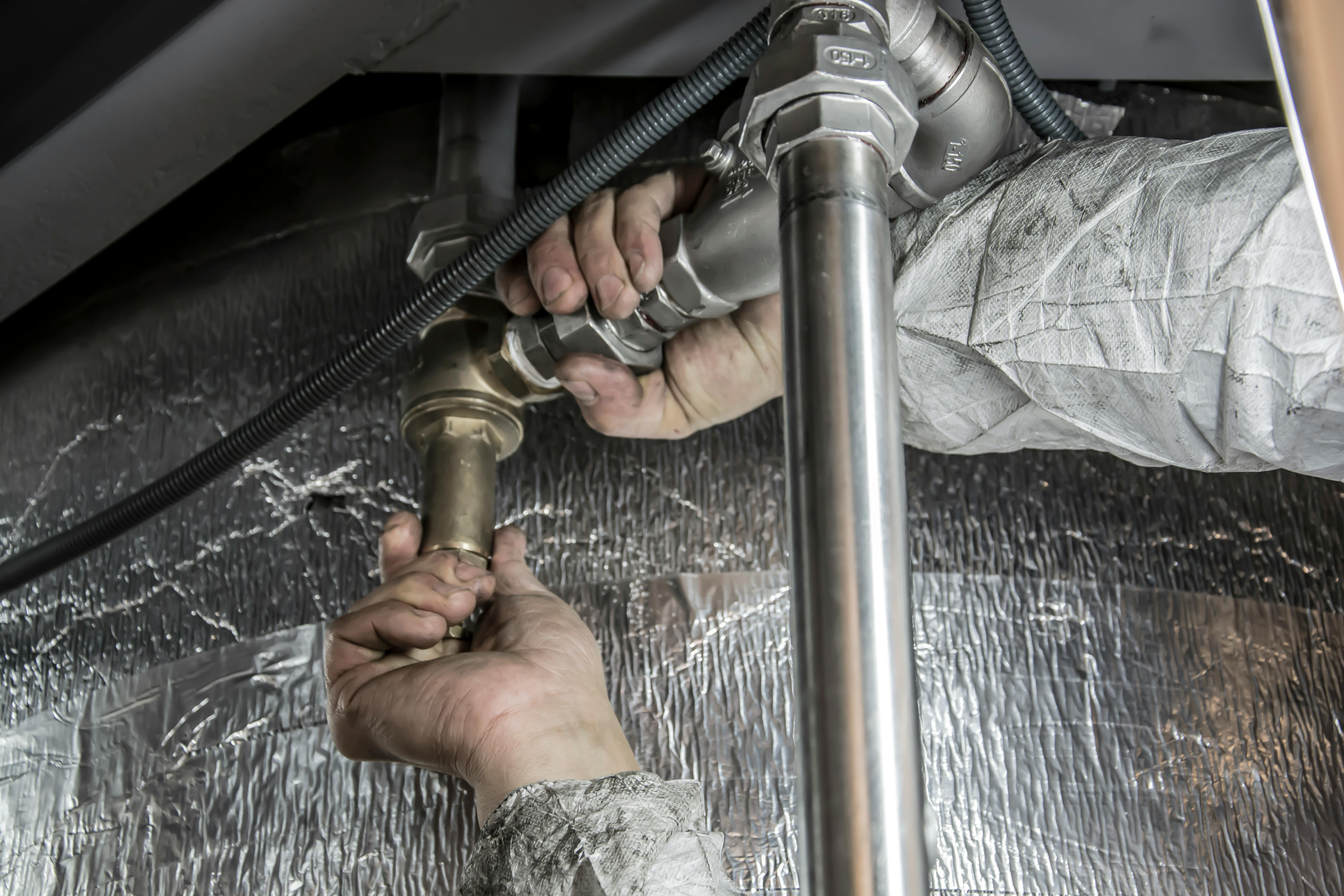
Hydraulic lifts are pivotal in various industries, providing a reliable means to move heavy loads with precision and ease. The efficiency and effectiveness of these systems are largely attributed to their intricate components working in harmony. Understanding the hydraulic lift components is essential for anyone involved in maintenance, operation, or design of such systems. This article delves into the core components of hydraulic lifts, shedding light on their roles and functionalities.
The Core Components of Hydraulic Lifts
Hydraulic lifts are composed of several key elements, each playing a crucial role in the lift’s operation. The main components include:
- Pump: The pump is the heart of the hydraulic system, responsible for moving the hydraulic fluid through the system. It converts mechanical energy into hydraulic energy.
- Hydraulic Fluid: This fluid is the medium through which power is transferred. It must be carefully chosen for its lubricating properties and ability to withstand pressure.
- Actuator: Commonly referred to as the hydraulic cylinder, the actuator is the component that directly performs the work, converting hydraulic energy back into mechanical energy.
- Valves: Valves control the flow and pressure of the hydraulic fluid, allowing for precise control over the lift’s operation.
- Reservoir: The reservoir holds the hydraulic fluid when it is not in use within the system. It also helps in dissipating heat generated by the fluid.
Understanding the Functionality of Each Component
Pump
The pump’s main function is to pressurize the hydraulic fluid. There are different types of pumps used in hydraulic lifts, such as gear pumps, vane pumps, and piston pumps. Each type has its own advantages, depending on the specific requirements of the lift system.
Hydraulic Fluid
The choice of hydraulic fluid can significantly influence the performance of the lift. Factors such as viscosity, temperature stability, and anti-wear properties must be considered. Regular maintenance of the hydraulic fluid is essential to ensure the longevity of the lift components.
Actuator
The actuator, particularly the hydraulic cylinder, is crucial for converting hydraulic energy into mechanical force. It is integral to the movement and lifting capabilities of the system. Different types of cylinders, such as single-acting and double-acting, offer various operational benefits.
Valves
Valves regulate the direction, flow rate, and pressure of the hydraulic fluid. They are critical for controlling the lift’s motion and ensuring safety. Types of valves include directional control valves, pressure relief valves, and flow control valves, each serving a specific function in the system.
Reservoir
The reservoir plays a dual role in storage and heat dissipation. It is essential for maintaining the appropriate fluid levels and ensuring that the hydraulic fluid is free from contaminants. Proper maintenance of the reservoir is crucial to prevent system inefficiencies and failures.
Conclusion: Importance of Quality and Maintenance
Understanding the inner workings of hydraulic lift components is vital for optimizing their performance and extending their life. Each component, from the pump to the reservoir, plays an integral role in the system’s functionality. Regular maintenance and the use of quality parts are essential to prevent downtime and ensure safety. By investing in high-quality hydraulic lift components, industries can achieve greater efficiency and reliability in their operations.
About the Author