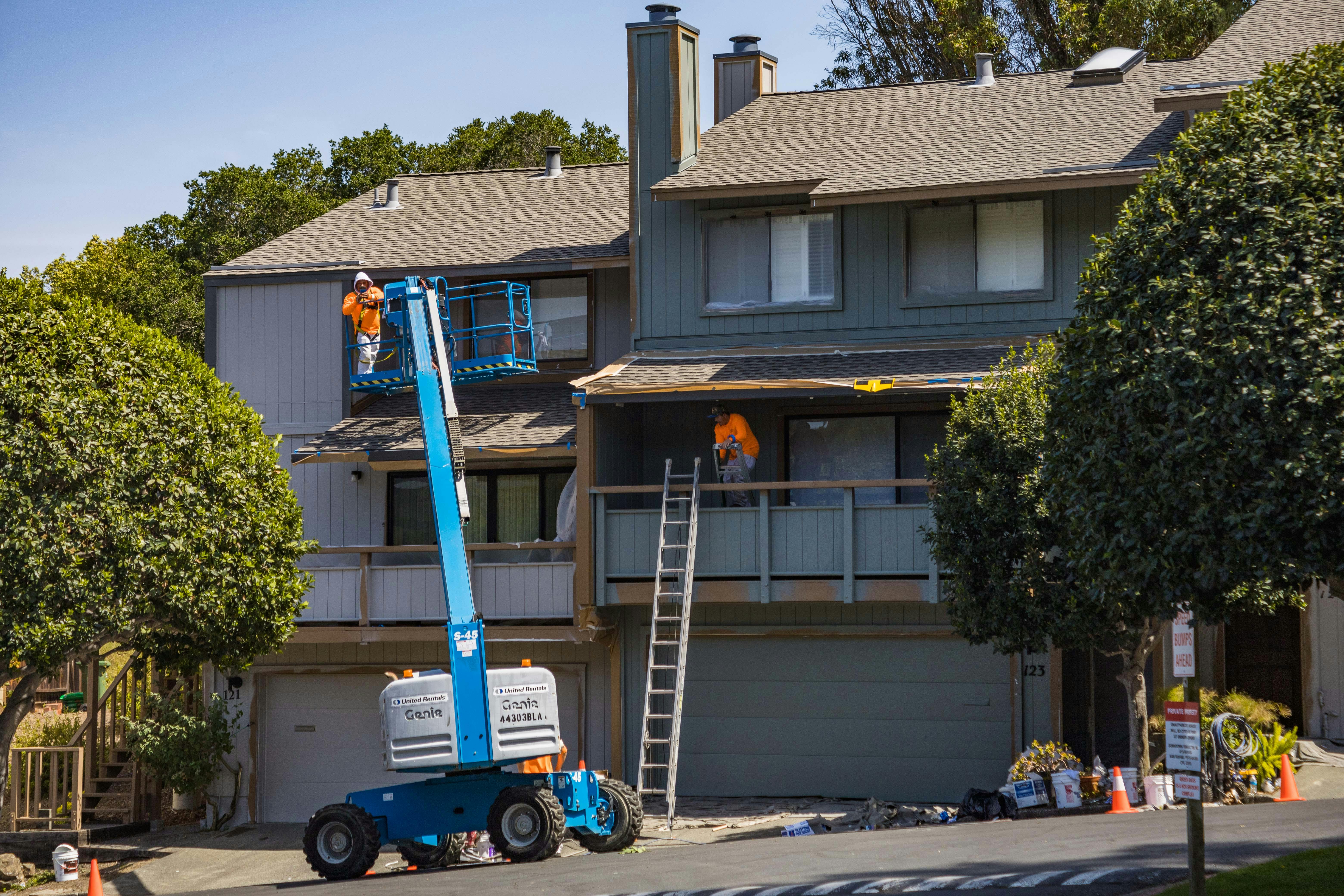
Transforming a backyard into a functional, aesthetically pleasing retreat begins with a well-designed deck. A custom deck not only expands living space but also creates a seamless transition between indoor comfort and outdoor enjoyment. By selecting skilled professionals who understand structural integrity, material science, and design trends, homeowners can achieve a durable, beautiful platform that reflects personal style while adding long-term value to the property.
Why Choose Custom Deck Construction?
Standard, off-the-shelf decks often fall short when it comes to meeting unique site conditions, architectural harmony, or specific lifestyle needs. Custom deck builders address these gaps through:
- Tailored design that matches the home’s architectural language.
- Optimized use of space for entertaining, cooking, or relaxation.
- Selection of premium materials that resist weathering and wear.
- Integration of safety features such as railings, lighting, and slip-resistant surfaces.
For a deeper dive into strategic planning, Discover expert strategies here.
Key Considerations Before Building
Site Assessment and Layout
A thorough site analysis determines the deck’s optimal placement, orientation, and size. Factors such as sun exposure, wind patterns, and existing landscaping influence the final layout. Professional builders typically conduct:
- Topographic surveys to identify slope and drainage challenges.
- Soil testing for load-bearing capacity.
- Proximity checks to property lines and utility lines.
Material Selection
Choosing the right material balances aesthetics, maintenance, and budget. Common options include:
- Pressure-treated lumber: Cost-effective, widely available, but may require periodic sealing.
- Composite decking: Low-maintenance, resistant to rot and insects, available in a range of colors.
- Hardwood (i.e., ipe, teak): Natural beauty and longevity, though higher upfront cost.
To explore material-specific guidance, Explore advanced guides and tips.
Design Features That Elevate Outdoor Living
- Multi-Level Decks: Create distinct zones for dining, lounging, and gardening.
- Integrated Lighting: LED step lights, recessed deck lighting, and ambient fixtures extend usability after dark.
- Built-In Seating and Planters: Reduce clutter and blend greenery with the deck surface.
- Shade Structures: Pergolas, retractable awnings, or canopy systems provide sun protection while maintaining openness.
For inspiration on functional layouts, Learn about our tailored solutions.
Project Timeline and Budget Management
Effective planning minimizes surprises and keeps the project on schedule. Typical phases include:
- Design Development (1-2 weeks): Finalize drawings, select materials, and obtain permits.
- Site Preparation (3-5 days): Clear vegetation, grade the area, and set footings.
- Construction (2-4 weeks): Frame erection, decking installation, railings, and finishing touches.
- Final Inspection (1-2 days): Ensure compliance with local building codes.
Accurate cost estimation considers labor, materials, permits, and contingency allowances. Detailed quotes help homeowners avoid hidden expenses and align expectations.
Maintenance Best Practices for Longevity
Even the most expertly built deck benefits from regular upkeep. Recommended maintenance routines include:
- Cleaning surfaces with a mild detergent and soft brush to prevent mold buildup.
- Inspecting fasteners and joints quarterly, tightening or replacing as needed.
- Applying protective sealants to wood decks every 12-18 months.
- Clearing debris from drainage channels to avoid water pooling.
For a comprehensive maintenance checklist, Find out more about this approach.
Choosing the Right Deck Builder
Selecting a reputable builder ensures the project meets structural standards and design expectations. Consider the following criteria during the vetting process:
- Portfolio of completed decks that reflect diverse styles and challenges.
- Licensing, insurance, and adherence to local building regulations.
- Client testimonials that highlight communication, reliability, and craftsmanship.
- Transparent pricing structure and willingness to provide detailed proposals.
Engaging with a builder who emphasizes collaboration will result in a deck that truly embodies the homeowner’s vision.
Conclusion
Investing in a custom deck transforms outdoor space into a year-round extension of the home, blending functionality with visual appeal. By addressing site specifics, material choices, design features, and ongoing maintenance, homeowners can enjoy a resilient, beautiful platform for years to come. Leveraging expert guidance and thoughtfully selected partners streamlines the journey from concept to completion, delivering an outdoor oasis that enhances both lifestyle and property value.
About the Author