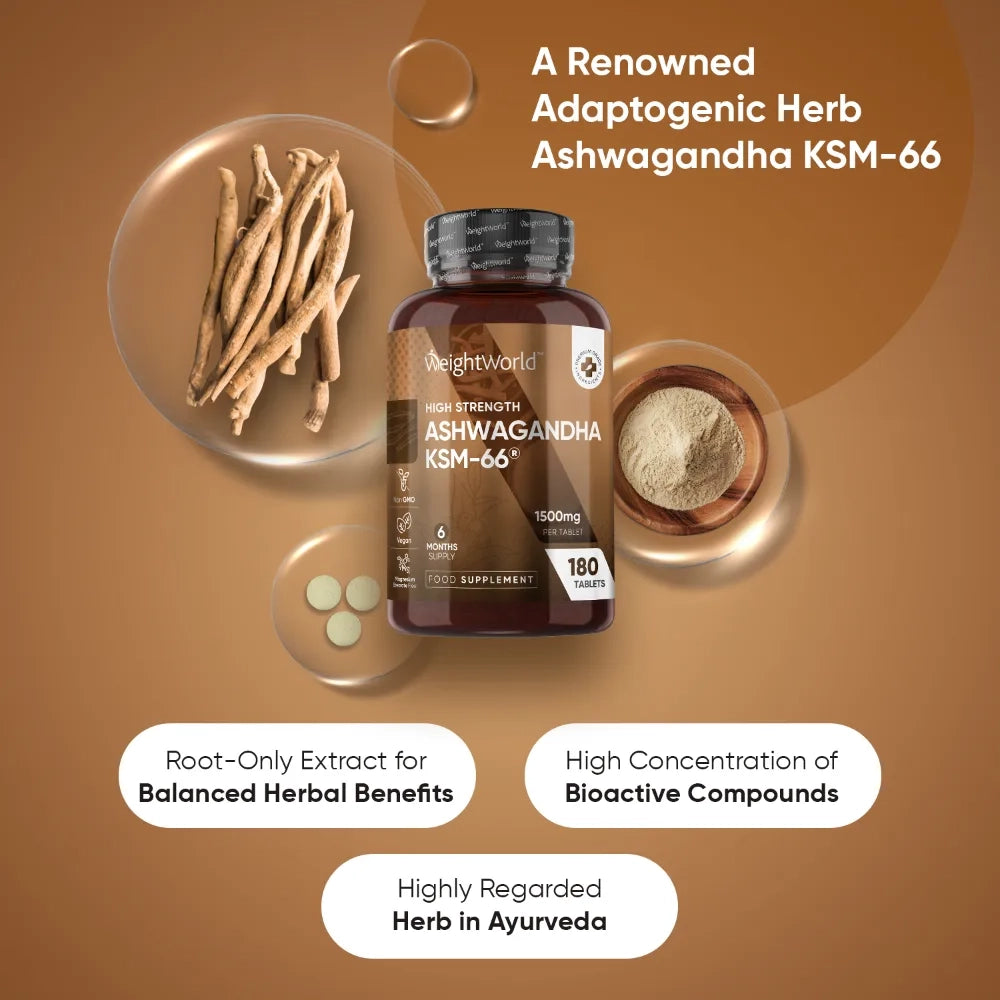
Ashwagandha, known scientifically as Withania somnifera, has transitioned from a traditional Ayurvedic herb to a mainstream dietary supplement celebrated for its adaptogenic properties. Modern research supports its ability to modulate stress responses, enhance physical performance, and promote overall well-being. This article delves into the science behind the herb, outlines the key benefits of a high-quality ashwagandha supplement, and provides practical guidance for integrating it into a daily regimen.
Understanding Ashwagandha’s Mechanism of Action
Adaptogenic Pathways
Adaptogens help the body maintain homeostasis under physical, mental, or environmental stress. Ashwagandha influences several biochemical pathways:
- Regulation of cortisol: The herb modulates the hypothalamic-pituitary-adrenal (HPA) axis, leading to a balanced cortisol response.
- Antioxidant activity: Withanolides, the primary active compounds, scavenge free radicals and support cellular protection.
- Neurotransmitter support: Ashwagandha enhances GABAergic signaling, contributing to a calming effect without sedation.
Key Phytochemicals
Research identifies two groups of compounds responsible for the herb’s potency:
- Withanolides: Steroidal lactones that exhibit anti-inflammatory and immunomodulatory effects.
- Alkaloids and saponins: Contribute to neuroprotective and metabolic benefits.
Evidence-Based Benefits of an Ashwagandha Supplement
Clinical trials and meta-analyses have highlighted several areas where consistent supplementation yields measurable outcomes.
Stress Reduction and Mood Enhancement
- Participants in a 60-day double-blind study reported a 30% reduction in perceived stress scores.
- Improved sleep quality was observed, likely linked to the herb’s influence on GABA and melatonin pathways.
Physical Performance and Muscle Recovery
- Resistance-trained adults taking 600″?mg of a standardized extract experienced a 5-7% increase in bench-press strength over eight weeks.
- Markers of muscle damage, such as creatine kinase, were significantly lower compared with placebo groups.
Cognitive Function
- Short-term memory and reaction time improved in healthy volunteers after 12 weeks of supplementation.
- Neuroprotective properties may support long-term brain health, especially in aging populations.
Metabolic Support
- Studies indicate modest reductions in fasting blood glucose and improved insulin sensitivity.
- Potential benefits for lipid profiles, including lowered LDL cholesterol, have been reported.
Choosing a High-Quality Ashwagandha Supplement
Not all products deliver the same potency or purity. When selecting a supplement, consider the following criteria:
- Standardized extract: Look for products guaranteeing a specific withanolide percentage (commonly 5-10%).
- Third-party testing: Independent labs verify potency, contaminants, and label accuracy.
- Bioavailability: Formulations using black-seed oil (bioenhancers) or KSM-66 technology improve absorption.
- Dosage clarity: Clear labeling of milligram content per serving helps maintain consistent intake.
Brands that adhere to Good Manufacturing Practices (GMP) and provide transparent certificates of analysis typically offer the most reliable options for consumers seeking an effective ashwagandha supplement.
How to Incorporate Ashwagandha Into Your Routine
Timing and Dosage
Most studies use 300-600″?mg of a standardized extract taken once or twice daily. For optimal results:
- Take the first dose in the morning with breakfast to support energy and stress resilience.
- Consider a second dose in the evening if sleep improvement is a primary goal.
Synergistic Pairings
Combining ashwagandha with complementary nutrients can amplify its effects:
- Magnesium: Enhances relaxation and muscle recovery.
- Rhodiola rosea: Another adaptogen that supports endurance.
- Vitamin D: Supports immune function, which ashwagandha also modulates.
Safety and Precautions
While ashwagandha is well-tolerated, certain groups should exercise caution:
- Pregnant or nursing individuals should consult a healthcare professional before use.
- People on thyroid medication may experience additive effects on thyroid hormone levels.
- Start with a lower dose to assess individual tolerance, especially if you have a sensitive gastrointestinal system.
Conclusion
Scientific evidence increasingly validates the traditional claims surrounding ashwagandha, positioning it as a versatile adaptogen for stress management, physical performance, cognitive health, and metabolic balance. Selecting a rigorously tested, standardized supplement and integrating it thoughtfully into daily nutrition can unlock these benefits without the need for excessive dosing. As the body of research expands, the herb’s role in modern wellness routines is likely to become even more prominent, offering a natural, evidence-backed tool for those seeking resilient health.
About the Author