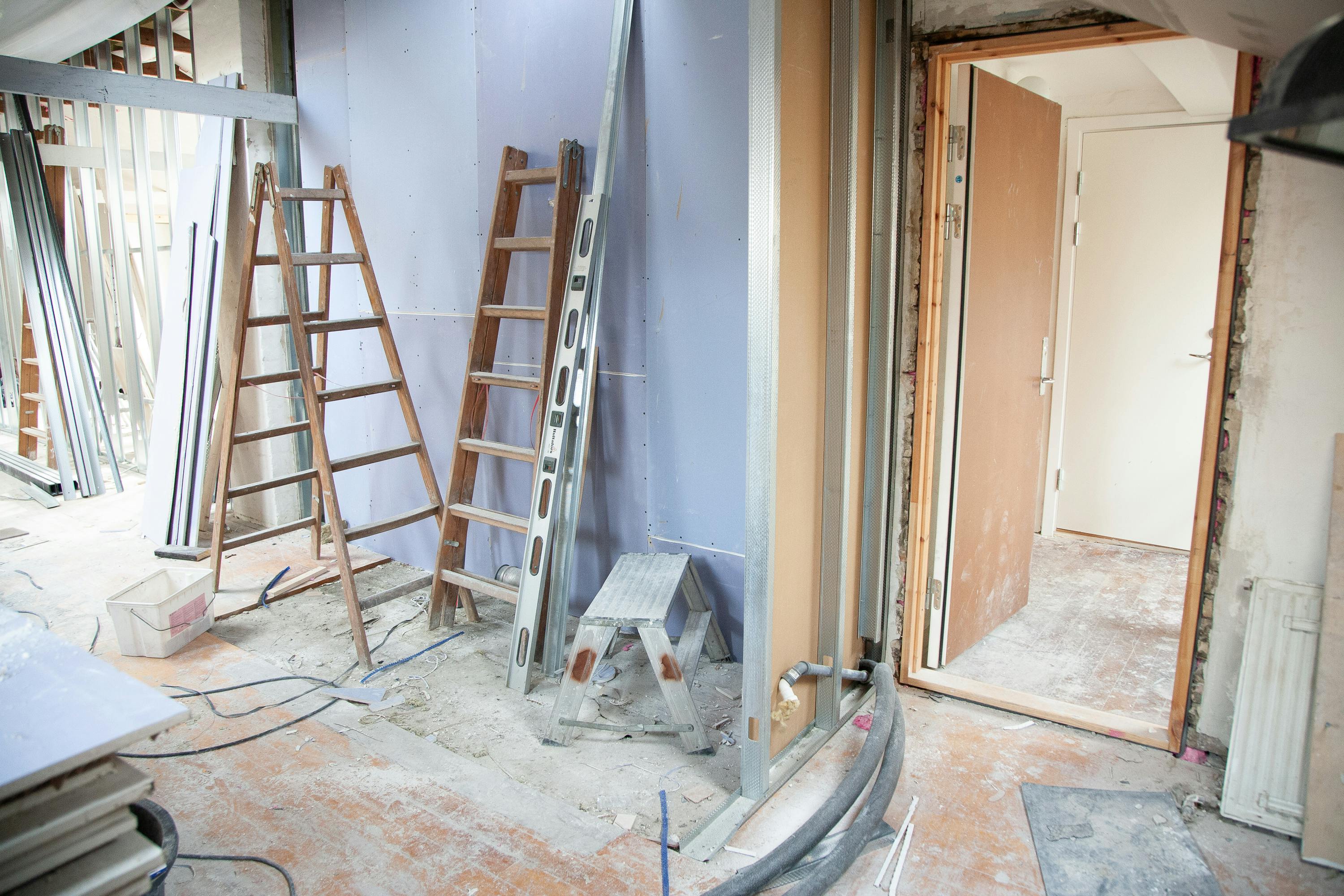
Renovating a home in Chicago presents a unique blend of challenges and opportunities. From historic brownstones to modern high-rises, each property demands a contractor who understands local building codes, climate considerations, and design trends. Selecting a skilled contractor can mean the difference between a seamless transformation and costly delays. This guide outlines the essential factors to evaluate, the steps to ensure quality workmanship, and practical tips for managing a renovation project in the Windy City.
Key Qualities of a Skilled Chicago Renovation Contractor
Technical Expertise and Licensing
- Valid Illinois contractor’s license and appropriate specialty endorsements (e.g., electrical, plumbing).
- Demonstrated experience with Chicago’s building permits and zoning regulations.
- Proficiency in energy-efficient upgrades that meet the city’s sustainability goals.
Portfolio and References
- Completed projects that reflect a range of styles, from Victorian restoration to contemporary loft conversions.
- Positive client testimonials that highlight reliability, communication, and adherence to budgets.
- Availability of before-and-after photographs to assess craftsmanship.
Project Management Skills
- Clear scheduling practices that minimize disruption to daily life.
- Transparent cost estimating and regular financial reporting.
- Effective coordination with subcontractors, architects, and interior designers.
Steps to Vetting and Hiring the Right Contractor
1. Research and Shortlist
Begin by gathering a list of local contractors who specialize in home renovation. Websites such as Discover expert strategies here provide searchable directories and client reviews that can help narrow the field.
2. Verify Credentials
Check each contractor’s licensing status through the Illinois Department of Financial and Professional Regulation. Confirm insurance coverage and inquire about any industry certifications, such as LEED-Accredited Professional status.
3. Review Past Work
Request a portfolio that includes projects similar in scope to your own. Pay attention to details like material selection, finish quality, and how the contractor handled unforeseen issues. For deeper insight, Learn about our tailored solutions that illustrate best-practice case studies.
4. Conduct Interviews
Ask targeted questions to gauge communication style and problem-solving ability. Sample questions include:
- How do you handle change orders and unexpected site conditions?
- What is your typical timeline for a 2,000-square-foot renovation?
- Can you provide a detailed, itemized estimate?
5. Compare Proposals
When reviewing bids, look beyond the bottom line. Evaluate the breakdown of labor, materials, and contingency allowances. A well-structured proposal often includes a phased schedule, milestones, and clear warranty terms. For a model proposal template, Explore advanced guides and tips on effective budgeting.
Critical Elements of a Successful Renovation
Permitting and Compliance
Chicago’s building department requires permits for structural changes, electrical work, and plumbing modifications. A competent contractor will manage the entire permitting process, submit accurate drawings, and schedule inspections to keep the project on track.
Material Selection
- Choose locally sourced, climate-resilient materials that can withstand temperature fluctuations.
- Consider sustainable options such as reclaimed wood, low-VOC paints, and energy-efficient windows.
- Validate warranties and maintenance requirements before finalizing purchases.
Quality Control
Regular site visits and progress meetings are essential. Establish a checklist that includes:
- Verification of dimensions and alignment.
- Inspection of installations (e.g., HVAC, electrical panels) by certified inspectors.
- Documentation of any deviations from the original plan.
Budget Management Tips for Homeowners
- Set a realistic contingency fund: Allocate 10-15″?% of the total budget for unexpected issues.
- Prioritize must-have upgrades: Focus on structural integrity, energy efficiency, and safety before aesthetic enhancements.
- Track expenses weekly: Use a spreadsheet or project-management app to compare actual costs against estimates.
- Negotiate fixed-price contracts for major scopes: This reduces the risk of cost overruns on core work.
Timeline Optimization Strategies
Renovation timelines can be compressed without sacrificing quality by employing the following approaches:
- Synchronize delivery of long-lead-time materials (e.g., custom cabinetry) early in the schedule.
- Utilize phased construction, allowing completed areas to remain usable while work continues elsewhere.
- Engage a dedicated project coordinator to resolve bottlenecks promptly.
For a comprehensive timeline template that aligns with Chicago’s inspection schedule, Find out more about this approach.
Maintaining Professional Relationships
Effective communication is the cornerstone of a smooth renovation. Establish clear expectations at the outset, document all decisions in writing, and maintain an open line for questions. Respectful collaboration fosters trust, which often translates into higher workmanship standards and timely project completion.
Conclusion
Choosing a skilled contractor for a Chicago home renovation requires diligent research, thorough vetting, and clear contractual terms. By focusing on licensing, portfolio quality, project management capabilities, and transparent budgeting, homeowners can mitigate risk and achieve results that enhance both livability and property value. Leveraging reputable resources such as Discover expert strategies here ensures that the renovation journey is informed, organized, and ultimately successful.
About the Author