Finding a safe and effective way to curb cravings can be a turning point in any weight-loss journey. Appetite suppressants work by influencing hunger hormones, slowing gastric emptying, or providing a sense of fullness without adding extra calories. When chosen wisely, they complement a balanced diet and regular activity, helping to create a sustainable calorie deficit. Below is a curated list of the top six appetite-suppressing options that have demonstrated consistent results for healthy weight loss, along with practical tips on how to incorporate them into daily routines.
1. Green Tea Extract
Green tea is celebrated for its antioxidant properties, but its catechins, especially epigallocatechin gallate (EGCG), also play a role in appetite regulation. By modestly boosting metabolism and promoting satiety, green tea extract can reduce overall calorie intake.
How to Use
- Take 250-500″?mg of a standardized green-tea extract supplement 30″?minutes before meals.
- Combine with a cup of brewed green tea for added hydration and antioxidant benefits.
- Avoid excessive caffeine if you’re sensitive; opt for decaffeinated versions when possible.
2. Glucomannan (Konjac Fiber)
Glucomannan is a soluble dietary fiber derived from the konjac root. It expands up to 50 times its weight in water, forming a gel-like substance that slows stomach emptying and signals fullness to the brain.
Dosage & Timing
- Consume 1-2″?g of glucomannan powder mixed with at least 250″?ml of water, 15-30″?minutes before each main meal.
- Ensure adequate fluid intake throughout the day to prevent digestive discomfort.
- Pair with a protein-rich meal for enhanced satiety.
3. 5-HTP (5-Hydroxytryptophan)
5-HTP is a direct precursor to serotonin, a neurotransmitter that influences mood and appetite. Higher serotonin levels are associated with reduced cravings, especially for carbohydrate-rich foods.
Best Practices
- Start with 50″?mg taken on an empty stomach, preferably before bedtime to support overnight satiety.
- Do not combine with antidepressants without medical supervision.
- Maintain a balanced diet rich in B-vitamins to support conversion to serotonin.
4. Garcinia Cambogia
Garcinia cambogia contains hydroxycitric acid (HCA), which may inhibit an enzyme involved in fat synthesis and increase serotonin levels, helping to curb appetite.
Key Points
- Typical dosage ranges from 500-1,000″?mg of HCA per day, split into two doses with meals.
- Look for products that guarantee at least 60″?% HCA for efficacy.
- Combine with a low-glycemic diet to maximize results.
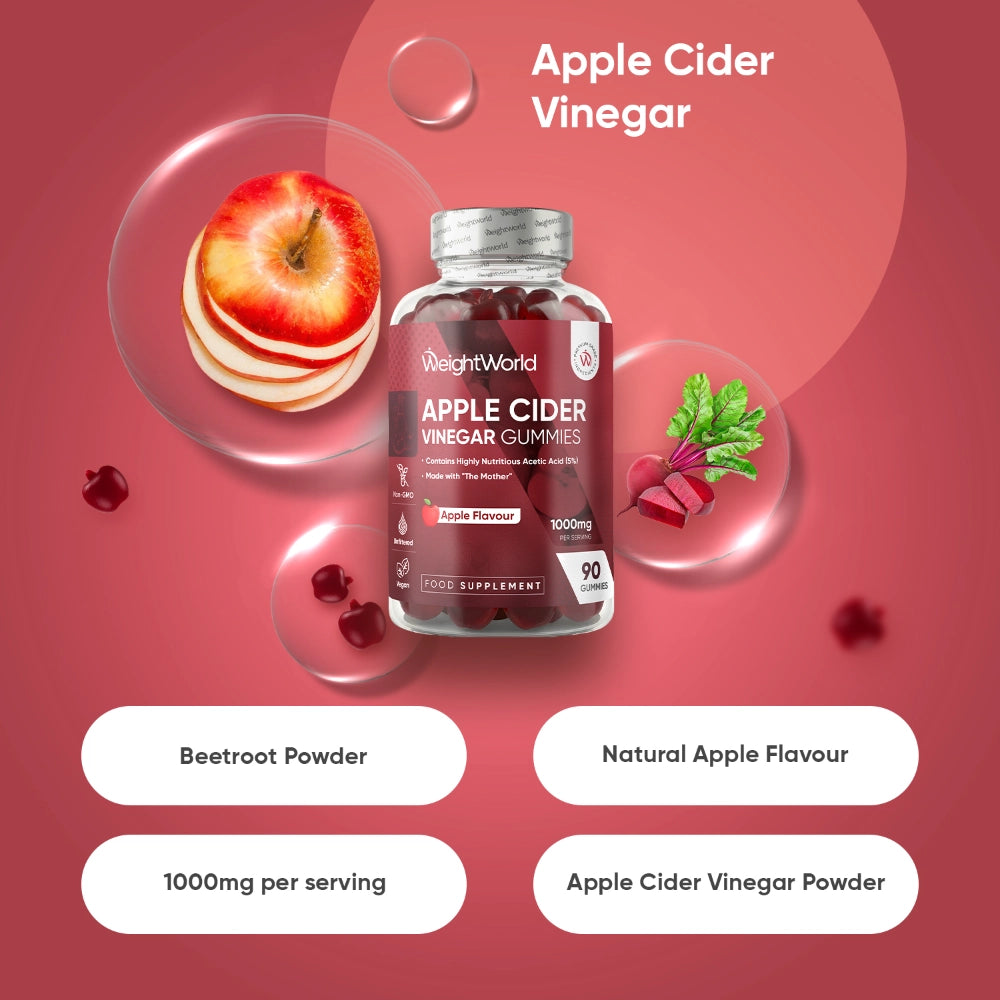
5. Apple Cider Vinegar (ACV)
ACV is a popular kitchen staple that may help regulate blood sugar spikes and promote a feeling of fullness. The acetic acid in ACV slows gastric emptying, which can reduce overall food intake.
Simple Integration
- Mix 1-2″?tablespoons of raw, unfiltered ACV with 200″?ml of water and sip before meals.
- Adding a pinch of cinnamon can improve taste and further stabilize blood glucose.
- Do not consume undiluted ACV to protect tooth enamel and the esophagus.
6. Protein-Based Supplements
High-quality protein powders (whey, casein, pea, or soy) are among the most reliable appetite-controlling tools. Protein drives the release of hormones like peptide YY and GLP-1, which signal satiety.
Implementation Tips
- Consume 20-30″?g of protein within 30″?minutes after a workout or as a mid-day snack.
- Choose a low-sugar formula to avoid unnecessary calories.
- Blend with fiber-rich fruits or vegetables for a balanced, filling shake.
Choosing the Right Supplement
Not every appetite suppressant suits every individual. Consider the following factors when selecting a product:
- Health status: Individuals with diabetes, thyroid disorders, or gastrointestinal conditions should consult a healthcare professional before starting any supplement.
- Potential interactions: Some ingredients, such as 5-HTP or high-dose caffeine, may interact with prescription medications.
- Quality assurance: Look for third-party tested products that list exact ingredient percentages and contain no hidden fillers.
- Personal preference: Taste, form (capsule vs. powder), and dosing schedule can influence long-term adherence.
Integrating Suppressants into a Healthy Lifestyle
Appetite suppressants are most effective when paired with foundational habits that support weight loss:
- Consume a balanced diet rich in whole foods, lean proteins, and fiber.
- Maintain regular physical activity, both cardio and strength training.
- Prioritize sleep; 7-9″?hours per night helps regulate hunger hormones.
- Stay hydrated; thirst is often mistaken for hunger.
For those seeking a comprehensive solution, exploring a curated selection of scientifically backed options can simplify the decision-making process. A well-researched collection of products, such as the best appetite suppressant lineup, offers a range of choices that align with the criteria outlined above.
Conclusion
Effective appetite control hinges on a combination of evidence-based supplements, mindful nutrition, and consistent lifestyle habits. By selecting one or more of the top six suppressants, green tea extract, glucomannan, 5-HTP, garcinia cambogia, apple cider vinegar, or a high-quality protein supplement, individuals can enhance satiety, reduce unnecessary snacking, and support sustainable weight loss. As always, personal health considerations and professional guidance should shape any supplementation strategy, ensuring both safety and optimal results.
About the Author