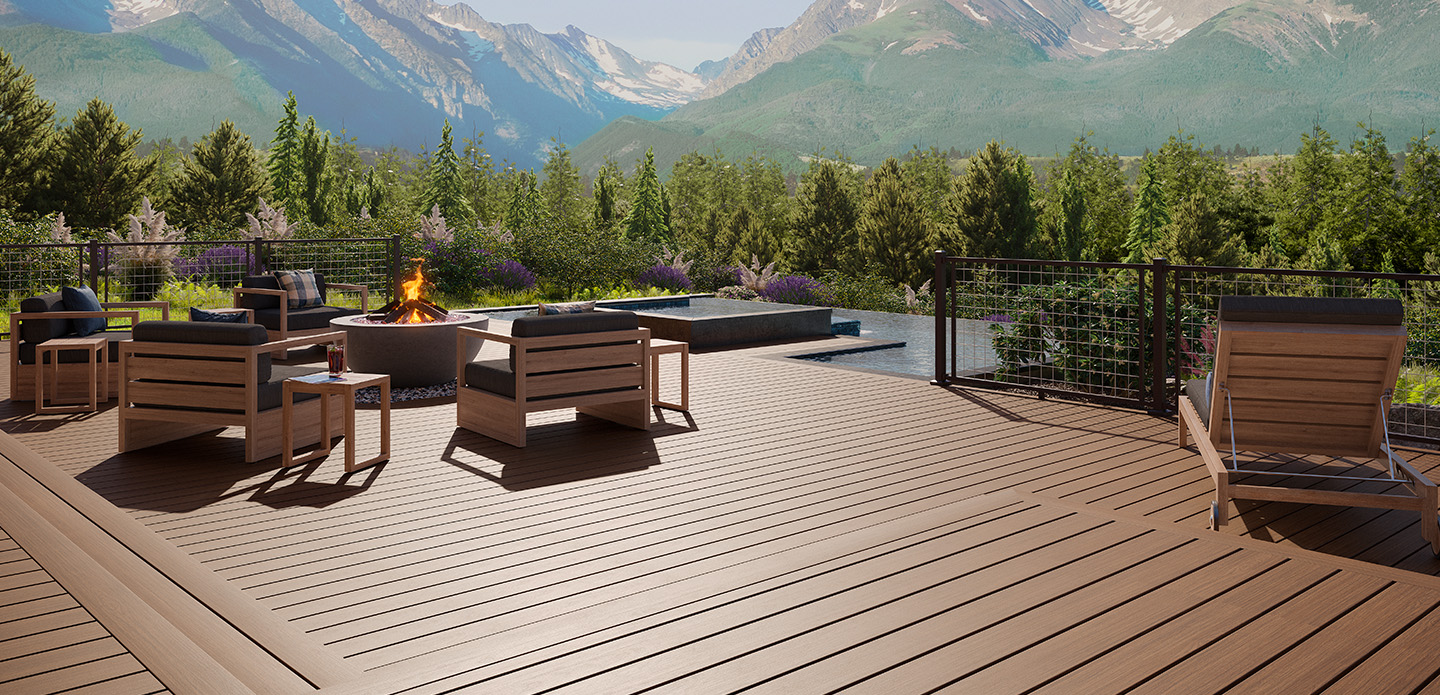
Building an outdoor deck is a rewarding home improvement project that enhances the aesthetic appeal and functionality of your outdoor living space. Selecting the right decking material is critical to ensuring longevity, maintenance ease, and overall satisfaction with the finished product. With a variety of materials available, understanding their characteristics, advantages, and limitations can help homeowners make informed decisions. This article explores some of the top outdoor decking materials and provides insights into selecting the ideal option for your needs.
Traditional Wood Decking
Wood remains a popular choice for decking due to its natural beauty and timeless appeal. Several types of wood are commonly used in decking projects:
- Cedar and Redwood: Known for their resistance to insects and decay, cedar and redwood are naturally durable. These woods offer a warm, reddish hue and smooth texture, making them aesthetically pleasing.
- Pressure-Treated Lumber: This type of wood is chemically treated to resist rot, decay, and insects. It is often more affordable compared to other wood options.
- Tropical Hardwoods: Materials like Ipe and Mahogany are renowned for their density and durability. They offer excellent resistance to wear and tear but can be more challenging to work with due to their density.
For more detailed insights into wood decking materials, read more about this topic.
Composite Decking
Composite decking is a modern alternative that combines wood fibers with plastic. It is designed to mimic the look of natural wood while offering enhanced durability and low maintenance. Some key benefits include:
- Durability: Composite decking is resistant to warping, splintering, and fading.
- Low Maintenance: Unlike wood, composite decking does not require frequent staining or sealing.
- Variety: Available in a range of colors and styles, composite decking can suit various aesthetic preferences.
To explore further insights here on composite decking options, visit our comprehensive guide.
Plastic Decking
Plastic decking, often made from PVC, is another alternative known for its longevity and resistance to moisture. This material is ideal for environments with high humidity or frequent rainfall. Key features include:
- Water Resistance: Plastic decking is impervious to water, making it an excellent choice for poolside areas or waterfront properties.
- Color Retention: This material retains its color well over time, even when exposed to direct sunlight.
- Slip Resistance: Many plastic decking products are designed with textured surfaces to enhance slip resistance.
Learn more in this detailed guide about the pros and cons of plastic decking.
Factors to Consider When Choosing Decking Materials
Budget
Setting a realistic budget is essential. While wood may initially seem less expensive, ongoing maintenance costs can add up. Composite and plastic decking may have higher upfront costs, but their low maintenance requirements can result in long-term savings. Find additional information here about cost-effective decking choices.
Climate and Environment
The local climate plays a significant role in material selection. Areas with high humidity or frequent rainfall might benefit from moisture-resistant materials like composite or plastic decking. Conversely, dry climates can accommodate most wood types without significant issues.
Aesthetic Preferences
Your deck should complement your home’s exterior and landscaping. Consider the color, texture, and style of the decking material to ensure a cohesive look. Wood offers a natural aesthetic, while composite and plastic provide a more contemporary finish.
In conclusion, choosing the right outdoor decking material involves considering various factors such as durability, maintenance, budget, and personal preference. Each material has unique attributes that can enhance your outdoor living space. By understanding these options, homeowners can make informed decisions that align with their specific needs and preferences.
About the Author