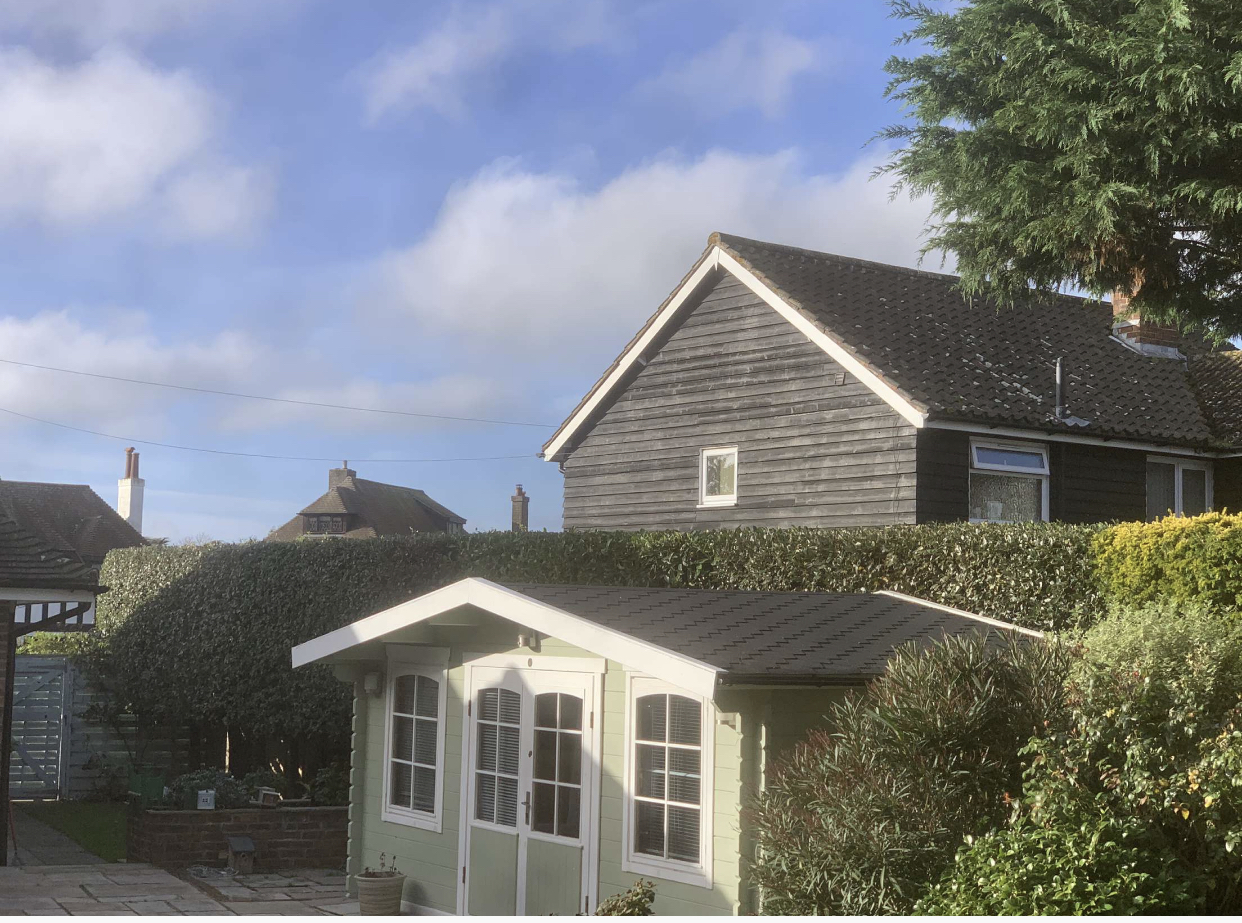
The art of garden design is ever-evolving, particularly in West Sussex, where the natural landscape inspires creativity and innovation. As homeowners and landscape enthusiasts look to transform their outdoor spaces, staying updated with the latest trends is essential. These trends not only enhance the aesthetic appeal but also improve functionality and environmental sustainability. This article delves into the contemporary directions in garden design, offering insights into how these trends can be incorporated into any garden project.
Sustainable Landscaping Practices
One of the most significant trends in garden design today is sustainability. Gardens are being designed with a focus on environmental consciousness, aiming to reduce waste and conserve resources. Here are some sustainable practices gaining popularity:
- Native Plant Selection: Opting for plants that are native to West Sussex ensures they are well-suited to the local climate and require less water and maintenance.
- Rainwater Harvesting Systems: Collecting rainwater to irrigate plants reduces water usage and promotes a self-sustaining garden.
- Composting: Utilizing compost bins to recycle organic waste helps improve soil fertility and reduces landfill waste. Discover expert strategies here.
Innovative Use of Space
Maximizing space is a critical consideration in modern garden design. Whether dealing with a sprawling estate or a compact urban garden, innovative solutions are being implemented to make the most out of limited areas:
- Vertical Gardens: These installations allow for the cultivation of plants on vertical surfaces, saving ground space and adding a unique aesthetic element.
- Multi-functional Areas: Designing areas that serve multiple purposes, such as a dining space that doubles as a flower garden, enhances usability.
- Hidden Storage Solutions: Incorporating discreet storage options within garden furniture helps maintain a tidy and organized appearance. Learn about our tailored solutions.
Integration of Technology
Technology is increasingly being integrated into garden design, bringing convenience and efficiency to outdoor spaces. The use of smart devices and systems can transform the way gardens are managed and enjoyed:
- Automated Irrigation Systems: These systems ensure optimal watering schedules, which conserves water and promotes plant health.
- Smart Lighting: Energy-efficient LED lighting controlled via smartphone apps allows for customizable ambiance settings and enhances security.
- Robotic Lawn Mowers: These devices offer a hands-free solution for maintaining a pristine lawn, giving homeowners more time to enjoy their gardens. Explore advanced guides and tips.
Biophilic Design Elements
Biophilic design, which seeks to connect people more closely with nature, is gaining momentum in garden design. This approach emphasizes natural materials and organic forms to create a harmonious environment:
- Natural Stone Pathways: Using locally sourced stone for pathways not only enhances the natural feel but also supports local businesses.
- Water Features: Incorporating elements like ponds, fountains, or waterfalls adds tranquility and attracts wildlife.
- Outdoor Living Spaces: Creating lounge areas that blend seamlessly with the natural surroundings encourages relaxation and social interaction. Find out more about this approach.
Conclusion
The latest trends in garden design offer inspiring ways to enhance outdoor spaces in West Sussex. From sustainable practices to technological integration, these trends provide both aesthetic and functional benefits. By understanding and implementing these ideas, homeowners can create gardens that not only reflect contemporary styles but also support ecological balance and personal enjoyment. For those looking to embark on a garden transformation, exploring modern strategies and solutions can provide the guidance needed to achieve a stunning result.
About the Author