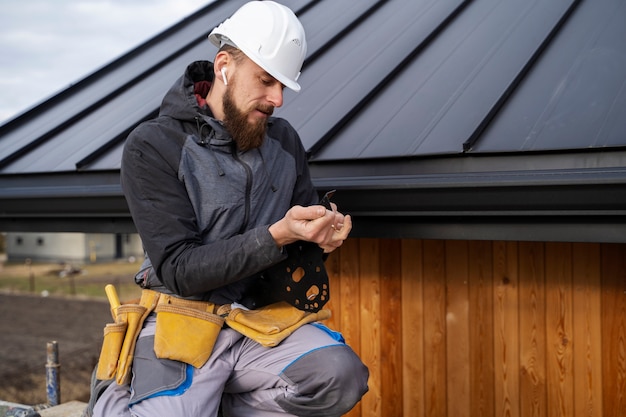
Wood siding remains a popular choice for homeowners due to its natural beauty and classic appeal. However, over time, even the finest wood siding can suffer damage from environmental factors such as weather, pests, and general wear and tear. When this happens, replacing damaged wood siding becomes crucial to maintaining the structural integrity and aesthetic value of a home. Understanding the process and importance of quality wood siding replacement can help homeowners make informed decisions that enhance their property’s longevity and curb appeal.
The Importance of Quality Siding Replacement
Replacing damaged wood siding is not merely a cosmetic endeavor; it plays a vital role in protecting the home”?s structure. Inferior siding can lead to moisture infiltration, which may cause mold, rot, and even structural damage. To ensure a high-quality replacement:
- Select materials that match or exceed the quality of the original siding.
- Consider the climate and environmental conditions to choose the most suitable wood type.
- Ensure professional installation to prevent future issues.
For those interested in exploring advanced guides and tips, more information is available here.
Choosing the Right Wood for Siding Replacement
When selecting wood for replacement siding, several factors must be considered to ensure durability and aesthetic appeal:
Types of Wood
- Cedar: Known for its natural resistance to decay and insects, cedar is a popular choice for siding.
- Redwood: Offers exceptional strength and a rich, natural color that enhances any exterior.
- Pine: A cost-effective option that can be treated for increased durability.
Each wood type has unique properties that cater to different needs and preferences. To learn about tailored solutions suitable for specific requirements, click here.
Installation Best Practices
Proper installation is crucial to the performance and lifespan of wood siding. Here are key practices to ensure an effective installation:
- Use of weather-resistant barriers to prevent moisture infiltration.
- Proper sealing of joints and edges to enhance water resistance.
- Allowing adequate ventilation to prevent moisture buildup behind the siding.
For expert strategies on installation, discover more here.
Maintaining Wood Siding
Once the wood siding is installed, regular maintenance is essential to preserve its appearance and integrity. Key maintenance tasks include:
- Regular cleaning to remove dirt and prevent mold growth.
- Inspecting for signs of damage or wear and addressing issues promptly.
- Applying protective finishes or stains as needed to maintain the wood’s natural beauty.
Homeowners can find out more about this approach by visiting this page.
Why Quality Matters
Investing in quality wood siding replacement may initially seem costly, but it offers long-term benefits that outweigh the expense. High-quality siding enhances a home’s value, provides better insulation, and requires less frequent repairs. For those contemplating this investment, it is wise to check out customer reviews here to see what others are saying about their experiences.
Ultimately, understanding the significance of quality materials and professional installation can guide homeowners towards making informed decisions that not only protect their homes but also enhance their overall living experience.
About the Author