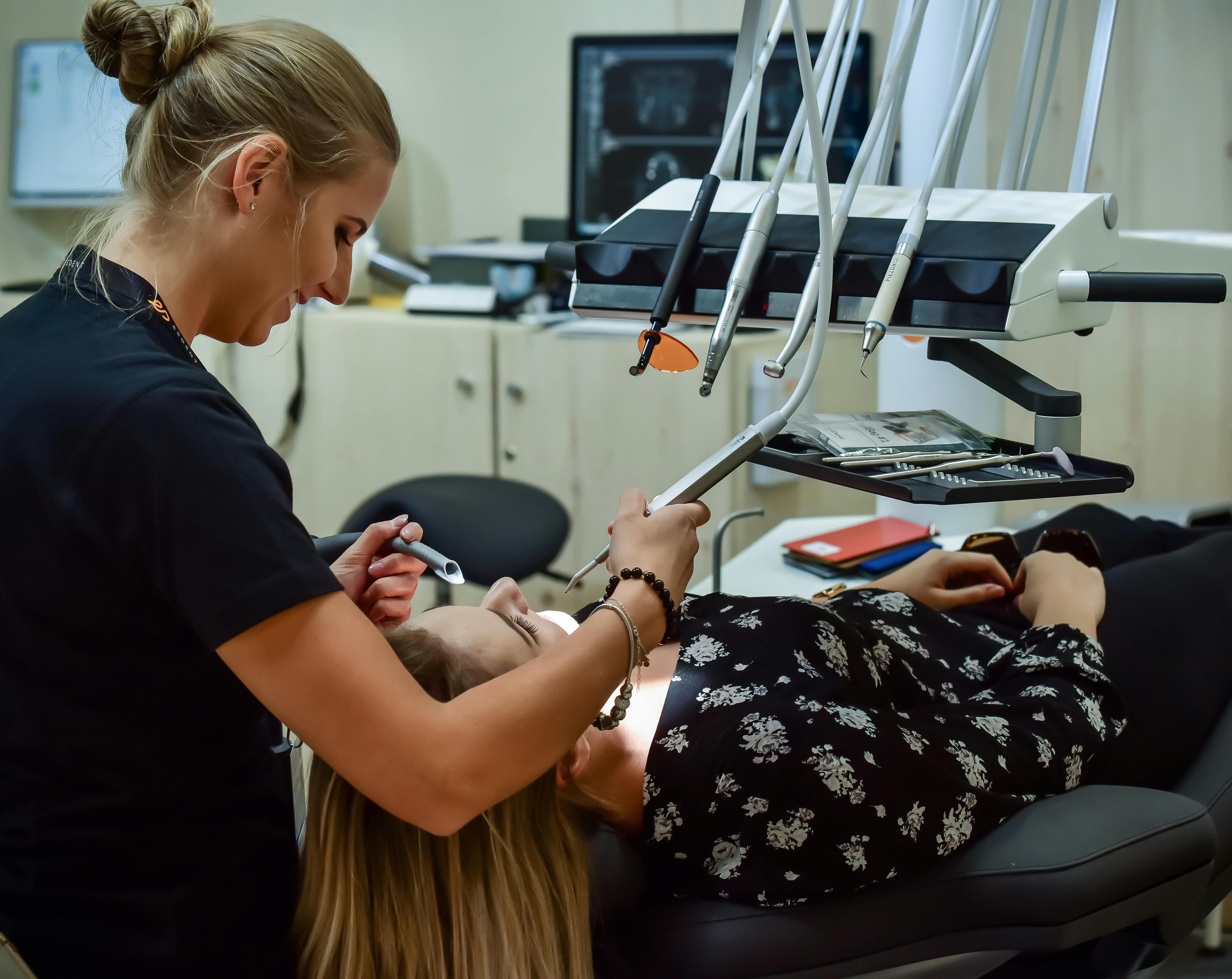
In the realm of modern dentistry, aesthetic and functional improvements of the teeth have taken a revolutionary turn with the introduction of clear aligners. Among these, Invisalign aligners stand out as a discreet solution for teeth straightening. Unlike traditional braces, these aligners offer a nearly invisible way to achieve a perfect smile. This article delves into the benefits, process, and considerations of using Invisalign aligners for teeth alignment, providing valuable insights for individuals seeking a more subtle orthodontic treatment.
The Benefits of Invisalign Aligners
Invisalign aligners offer a myriad of advantages for those looking to straighten their teeth without the noticeable presence of metal braces. Here are some key benefits:
- Discreet Appearance: Invisalign aligners are crafted from clear plastic, making them virtually invisible. This allows individuals to undergo orthodontic treatment without drawing attention to their teeth.
- Comfort: Made from smooth, high-quality plastic, these aligners are comfortable to wear, with no metal brackets or wires to irritate the gums or cheeks.
- Removability: Unlike traditional braces, Invisalign aligners can be easily removed for eating, drinking, brushing, and flossing, promoting better oral hygiene.
- Predictable Outcomes: With advanced digital planning, the entire treatment process is mapped out in advance, providing a clear picture of the expected results.
The Invisalign Process
Embarking on the journey with Invisalign aligners involves several stages. Understanding the process can help in setting realistic expectations.
Initial Consultation
The first step involves a consultation with a dental professional to assess the suitability of Invisalign for your specific needs. They will take digital scans or impressions of your teeth to create a customized treatment plan. Read more about this topic.
Aligner Fabrication
Based on the consultation, a series of custom aligners are created. Each set of aligners is designed to make slight adjustments to the position of the teeth, gradually moving them into the desired alignment. Learn more in this detailed guide.
Wearing Aligners
Patients are required to wear each set of aligners for about two weeks before progressing to the next set. It is recommended to wear them for 20-22 hours a day for optimal results.
Monitoring Progress
Regular appointments with the dental professional are necessary to monitor progress and make any required adjustments to the treatment plan. Explore further insights here.
Considerations When Choosing Invisalign
While Invisalign aligners offer a convenient and aesthetically pleasing way to straighten teeth, there are certain factors to consider:
- Discipline: The success of Invisalign treatment relies heavily on patient discipline in wearing the aligners as instructed.
- Cost: Invisalign can be more expensive than traditional braces, depending on the complexity of the case and geographic location.
- Suitability: Invisalign is highly effective for mild to moderate misalignments, but may not be suitable for complex orthodontic issues.
- Maintenance: Since aligners are removable, they require diligent cleaning to maintain oral hygiene and the transparency of the aligners.
In conclusion, Invisalign aligners represent a significant advancement in orthodontic treatment, offering a discreet and comfortable alternative to traditional braces. By understanding the benefits, process, and considerations involved, individuals can make informed decisions about their dental health journey. For more comprehensive details and understanding of the Invisalign treatment, find additional information here.
About the Author